
A tub to shower conversion is the process of removing an existing bathtub and replacing it with a walk in shower in the same bathroom footprint. In Sugar Land TX, the cost ranges from $4,500 for a basic prefab installation to $16,000 or more for a fully custom tile shower with a frameless glass enclosure and premium fixtures. Most midrange tub to shower conversions in Fort Bend County run between $8,000 and $12,000. The total cost depends on the type of shower you install, whether plumbing relocation is required, your material selections, and the scope of waterproofing involved. In Sugar Land’s humid subtropical climate, waterproofing is not a cost to minimize.
If you have an underused bathtub taking up valuable space in your master bathroom and you have been thinking about converting it into a walk in shower, this guide covers every aspect of that decision from realistic costs and timelines to the construction process, permit requirements, and what to look for in a contractor.
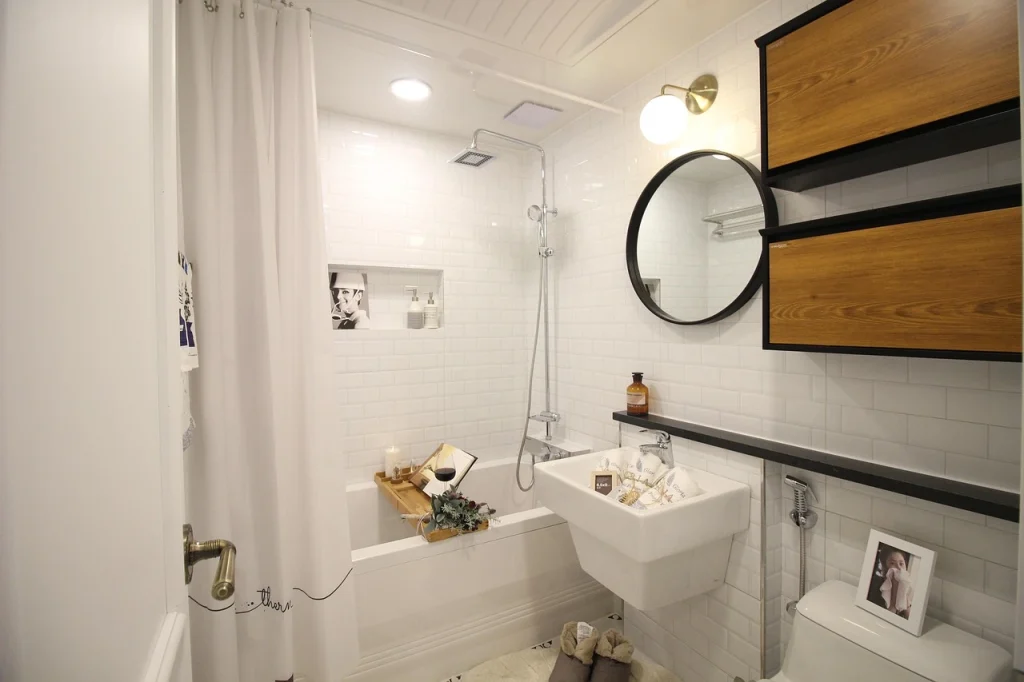
What Is a Tub to Shower Conversion?
A tub to shower conversion is exactly what it sounds like: removing a bathtub, whether an alcove tub, a garden tub, a drop in, or a freestanding unit, and installing a shower in the reclaimed space. The result is either a new walk in shower that uses the full footprint of where the tub once sat, or a shower that occupies a portion of the space with the remainder opened up to expand the bathroom floor area.
In Sugar Land specifically, the most common conversion involves master bathroom garden tubs that were built into homes throughout the 1980s, 1990s, and early 2000s. These oversized soaking tubs were a standard luxury feature of that era and are rarely used by the homeowners living with them today. Converting a garden tub alcove into a spacious walk in shower is consistently the most requested bathroom renovation project across Sugar Land’s established neighborhoods including First Colony, Riverstone, New Territory, and Telfair.
How Much Does a Tub to Shower Conversion Cost?
A tub to shower conversion typically costs between $2,000 and $12,000 at the national level, with basic prefabricated shower units on the lower end and custom tile walk in designs with frameless glass enclosures pushing costs higher. In Sugar Land and the broader Houston metro area, local labor costs and the mandatory waterproofing demands of the humid subtropical climate push pricing somewhat above those national figures.
Here is how the cost tiers look for tub to shower conversion in the Sugar Land market in 2026:
Basic Prefab Conversion: $4,500 to $7,500
A prefab acrylic or fiberglass shower unit replaces the existing tub using the same drain location with minimal plumbing changes. The walls are acrylic surround panels rather than tile. This is the fastest path and the lowest cost option. It does not deliver the premium aesthetic of a custom tile installation, but it is a clean, functional result that holds up reliably. Timeline is typically one to three days.
Mid Range Custom Tile Conversion: $8,000 to $12,000
This is where most Sugar Land homeowners land when they want a genuine upgrade. A mid range conversion includes a custom tile surround using porcelain tile, a new shower pan or linear drain, a frameless glass enclosure, updated plumbing fixtures from brands like Moen, Delta Faucet, or American Standard, a built in shower niche, and proper waterproofing throughout. Timeline runs one to two weeks.
Luxury Custom Walk In Conversion: $12,000 to $18,000 and above
At the upper end, homeowners are specifying large format porcelain tile or natural stone, curbless shower designs with linear drains, frameless glass panels, rainfall showerheads from Kohler or Hansgrohe, handheld shower systems, built in shower benches, and custom niche details. If the garden tub alcove is large, this tier allows for a truly spacious shower installation that transforms the entire bathroom experience. Timeline is two to three weeks.
What Drives Cost in the Sugar Land Market
Site preparation in Houston costs $300 to $1,200 depending on layout and demolition needs. Disposal fees for removing a bathtub and construction debris run $200 to $500, with heavier materials like cast iron tubs adding to hauling costs. Proper waterproofing in Texas’s humid climate runs $500 to $1,500 for membranes, sealants, and moisture barriers, particularly for tile showers requiring more extensive protection.
Plumbing changes are the biggest single variable. A standard alcove bathtub drain is 1.5 inches. A shower drain requires a 2-inch drain line to handle the higher volume of water flow from a showerhead versus a tub faucet. This drain upgrade must be completed by a licensed master plumber and is required by code. If the conversion also involves relocating the drain position, expect an additional $1,500 to $3,500 added to the project.
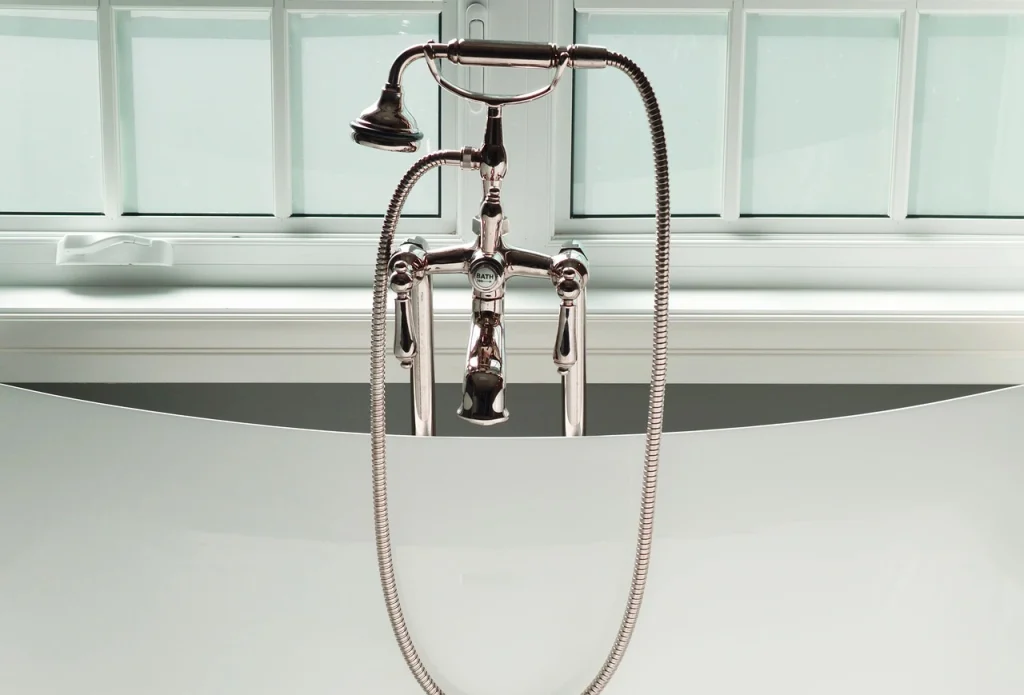
The Tub to Shower Conversion Process Step by Step
Understanding what actually happens during a conversion sets the right expectations for timeline, inconvenience, and what your contractor should be doing at each stage.
Step 1: Consultation and Design in Tub to shower Conversion Service
A qualified bathroom contractor in Sugar Land visits your home, takes measurements, assesses your existing plumbing layout, and discusses your design goals. This is where you decide on shower type, tile selection, fixture preferences, and whether you want a curbed or curbless entry. Material selections should be finalized at this stage, not during construction.
Step 2: Required Permit Application for Tub to Shower Conversion
In Sugar Land, a tub to shower conversion involves plumbing modifications and almost always triggers an electrical update for ventilation. Both require permits through the City of Sugar Land’s Permits and Inspections Department. Your licensed contractor handles the permit application. Permit processing typically takes one to two weeks during slower periods and two to four weeks during peak spring and summer season. The City of Sugar Land adopted the 2024 International Code Council Codes effective January 2026, and all permit applications are reviewed against those standards. All plumbing work must be performed by a contractor licensed through the Texas Department of Licensing and Regulation.
Step 3: Demolition
The existing bathtub is removed, along with tile or surround panels on the walls, and old caulk and adhesive. The subfloor is exposed and inspected for moisture damage. In Sugar Land homes built before 2000, discovering rotted framing or damaged subfloor around an old tub is genuinely common. Any structural repairs must be completed before new installation begins. Demolition typically takes one day.
Step 4: Rough Plumbing
The licensed master plumber upgrades the drain line from 1.5 to 2 inches, repositions the drain if needed for a curbless or linear drain design, and adjusts supply line positions to accommodate the new shower valve location. A rough in plumbing inspection by the City of Sugar Land is required before walls are closed. This inspection must pass before construction can proceed.
Step 5: Waterproofing and Backer Installation
Cement backer board is installed on all shower walls, replacing standard drywall in the wet zone. A waterproof membrane system is applied over the backer board and into the shower floor area. Incomplete waterproofing is the single most common cause of mold growing behind shower walls years later. In Sugar Land’s humid subtropical climate, this is not a step to rush or cut corners on. The Schluter waterproofing system is one of the most specified products for shower conversions in the Houston metro area because its layered membrane approach provides reliable long term moisture protection.
Step 6: Tile Installation
Floor tile goes down first, followed by wall tile on the shower surround. For mid range to luxury conversions, large format porcelain tile is the top choice in Sugar Land because of its low moisture absorption and resistance to the mold and mildew that sustained humidity encourages. Tile installation requires curing time between stages. Thinset adhesive must cure before grouting begins. Grout must cure before the glass enclosure is measured and installed. Rushing the tile phase produces cracked grout and failed installations. Budget two to four days for tile work on a standard conversion.
Step 7: Glass Enclosure Installation
After tile is fully cured, the frameless glass installer takes precise field measurements from the completed tile work. Custom frameless enclosures in the Houston metro market require seven to ten business days from measurement to fabrication and delivery. Tempered safety glass in either 3/8 inch or 1/2 inch thickness is standard. Hardware finishes currently trending in Sugar Land include matte black and brushed nickel. DreamLine and local Sugar Land Glass and Shower fabricators are both commonly used for frameless enclosure work in this market.
Step 8: Fixture Installation and Finishing
The licensed plumber connects the shower valve trim, showerhead, and handheld shower components. Rainfall showerhead installations from Kohler or Moen require ceiling connection work at this stage. Accessories including shower niches, soap dishes, and grab bars are secured. Silicone caulk is applied at all tile to fixture transitions. A final electrical inspection confirms GFCI protection compliance. The final walkthrough with the homeowner closes the project.
How Long Does a Tub to Shower Conversion Take?
Timeline for tub to shower conversion depends on the scope of the conversion:
A one day prefab conversion using an acrylic shower kit with no plumbing changes takes one to two days total.
A mid range custom tile conversion with a new drain upgrade, custom tile, and frameless glass takes one to two weeks for active construction, plus one to two weeks for permit processing before construction starts.
A full luxury curbless conversion with a linear drain, natural stone tile, and a custom glass enclosure takes two to three weeks for construction.
The overall project calendar from your first contractor consultation to the day your new shower is usable typically runs four to six weeks for a mid range project when permit processing and material lead times are included. This is the realistic planning window most Sugar Land homeowners should work with.
Is a Tub to Shower Conversion Worth It?
For most Sugar Land homeowners, yes tub to shower conversion worth it but the answer depends on two factors: how often you actually use the bathtub, and how many bathtubs your home will have after the conversion.
If the tub being converted is a garden tub in your master bathroom that gets used a handful of times per year at most, the functional case for converting it into a walk in shower that you use every single day is straightforward. You are reclaiming significant square footage and replacing a rarely used fixture with one that improves your daily experience every morning.
From a financial perspective, converting a tub to a walk in shower costs $3,500 to $15,000 and typically returns 60 to 70 percent of that cost at resale in the Fort Bend County market. A well executed conversion in a Sugar Land master bathroom can add $7,000 to $11,000 in appraised home value.
The one caveat worth taking seriously is bathtub retention. If your home currently has only one bathtub and you remove it entirely, you reduce your buyer pool among families with young children, which is a meaningful segment in Sugar Land’s family oriented communities. Keep at least one tub in the home wherever possible. Converting the master bath tub while retaining a tub in a hall or guest bathroom is the optimal approach for both personal use and resale value.
Does Tub to Shower Conversion Increase Home Value?
Yes, tub to shower conversion increase home value with conditions. A custom tile walk in shower conversion in a Sugar Land master bathroom remodel increases home value when at least one other bathtub remains in the home. Buyers in the $400,000 to $600,000 price range common in Sugar Land’s Fort Bend County market actively seek updated master bathrooms with walk in showers, and an outdated garden tub setup is a frequent negotiating point for buyers requesting price reductions.
The return is strongest when the conversion features quality materials including porcelain tile and a frameless glass enclosure, proper waterproofing that will hold up over time, and fixtures from recognizable brands like Kohler, Moen, or American Standard. A prefab acrylic conversion adds less value at resale than a custom tile installation in this market.
Should I Keep at Least One Bathtub in My House?
If you have two or more bathrooms in your Sugar Land home, keeping a tub in at least one of them is a practical resale strategy. The National Association of Realtors consistently reports that families with young children prioritize homes with at least one bathtub. In Sugar Land’s suburban family market, this preference is stronger than it would be in an urban high rise market.
The master bathroom conversion combined with a tub in a secondary bathroom is the most common and most sensible approach. You get the walk in shower upgrade in your primary bathroom where it delivers the greatest daily value, and you retain the bathtub option in the guest or hall bathroom where it serves families, guests, and future buyers.
DIY Tub to Shower Conversion vs Hiring a Contractor
A DIY tub to shower conversion is technically possible for homeowners with genuine construction experience, but it has significant limitations in Texas.
A straightforward tub to shower conversion using a prefabricated shower unit in the original tub location may feel manageable for experienced DIY enthusiasts, and homeowners with solid carpentry skills can often handle demolition, remove wall coverings, install prefabricated wall panels, and set a factory made shower base.
What a homeowner cannot legally do themselves in Texas is the plumbing work. Texas law requires all residential plumbing, including drain line upgrades from 1.5 to 2 inches and supply line modifications, to be performed by or under the direct supervision of a licensed master plumber through the Texas Department of Licensing and Regulation. Electrical work including GFCI outlet updates and exhaust fan wiring must be performed by a licensed electrician.
Waterproofing errors in a DIY conversion are also a serious long term risk. A missed waterproofing membrane or an improperly sloped shower floor does not create a visible problem immediately. It creates a mold problem inside the wall cavity two to five years later. In Sugar Land’s climate, that outcome is expensive and genuinely disruptive to remediate.
For prefab kit installations where plumbing is staying in the exact existing position and no permit is required, a skilled DIYer can handle the surface work. For anything beyond that, hiring a licensed bathroom renovation contractor is the financially sound choice.
Tub to Shower Conversion: Home Depot and Kit Options
Home Depot carries several prefab tub to shower conversion kits from brands including Sterling, American Standard, and DreamLine that are available for homeowner purchase. These kits include an acrylic shower base, wall surround panels, and in some cases a door or curtain rod. Kit prices at Home Depot typically run $400 to $1,500 for materials depending on size and brand.
The materials cost is only part of the picture. Installation of even a prefab kit in tub to shower conversion requires the drain line upgrade performed by a licensed plumber, proper waterproofing behind the wall panels, and potentially a permit depending on the plumbing scope. Total project cost for a Home Depot prefab kit with licensed installation in Sugar Land runs $4,500 to $6,500 once labor, plumbing, and permits are included.
For homeowners who want a custom tile shower rather than a prefab kit result, Home Depot and Floor and Decor both carry porcelain tile, cement backer board, and waterproofing membrane products that a contractor can specify and use. Purchasing materials directly and supplying them to your contractor is a legitimate strategy for reducing material markups on higher budget projects.
Frequently Asked Questions About Tub to Shower Conversion
Can I do tub to a shower conversion myself in Texas?
Partially. Cosmetic work including demolition and prefab panel installation can be DIY in some cases. However, Texas law requires that all plumbing work be performed by a licensed master plumber, and electrical work must be done by a licensed electrician. Both are legally required regardless of whether a permit is pulled.
Should I keep a bathtub in my house after a conversion?
If your home has multiple bathrooms, keeping a tub in at least one of them is recommended for resale value in Sugar Land’s family oriented market. Removing the only tub in the home can reduce buyer appeal among families with young children.
Is a tub to shower conversion worth it?
For most Sugar Land homeowners with an underused garden tub or alcove bathtub in a master bathroom, yes. The conversion improves daily functionality, modernizes the bathroom, and increases home value at resale. The return is strongest when at least one other bathtub remains elsewhere in the home.
Do you need a permit for a tub to shower conversion in Sugar Land?
Yes, in most cases. Any conversion involving plumbing modification, including the required drain line upgrade from 1.5 to 2 inches, requires a plumbing permit in Sugar Land. Electrical work for exhaust fan upgrades also requires a permit. Your licensed contractor handles the permit application process.
How long does a tub to shower conversion take?
A basic prefab conversion takes one to two days. A mid range custom tile conversion takes one to two weeks for construction. A full luxury curbless conversion takes two to three weeks. Add one to two weeks for permit processing before construction starts on any project involving plumbing changes.
How much does a tub to shower conversion cost in Sugar Land TX?
In Sugar Land, a tub to shower conversion costs $4,500 to $7,500 for a basic prefab installation, $8,000 to $12,000 for a mid range custom tile shower, and $12,000 to $18,000 for a luxury curbless custom walk in. National averages run slightly lower at $2,000 to $12,000 because they do not account for Houston area waterproofing costs and local labor rates.
What is a tub to shower conversion?
A tub to shower conversion is the process of removing an existing bathtub and replacing it with a walk in shower in the same bathroom space. It involves bathtub removal, drain line upgrading, waterproofing installation, and shower construction including tile, fixtures, and glass enclosure.